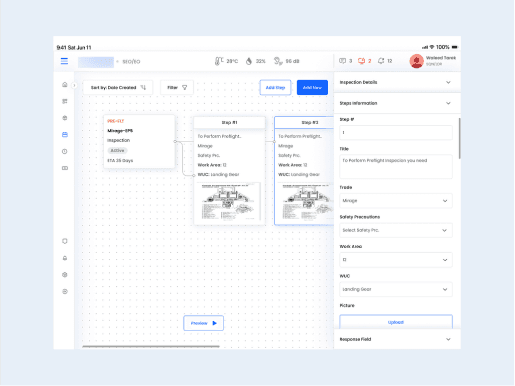
The original PALMS system suffered from several critical issues. Users experienced frequent errors due to manual data entry, leading to miscommunication and delays in logistics operations. The lack of automation meant that many tasks were time-consuming, causing frustration among personnel who needed to manage complex logistics workflows efficiently. The goal was to design a comprehensive system that minimized human error, enhanced usability, and improved overall efficiency in managing logistics and maintenance tasks within the Air Force.
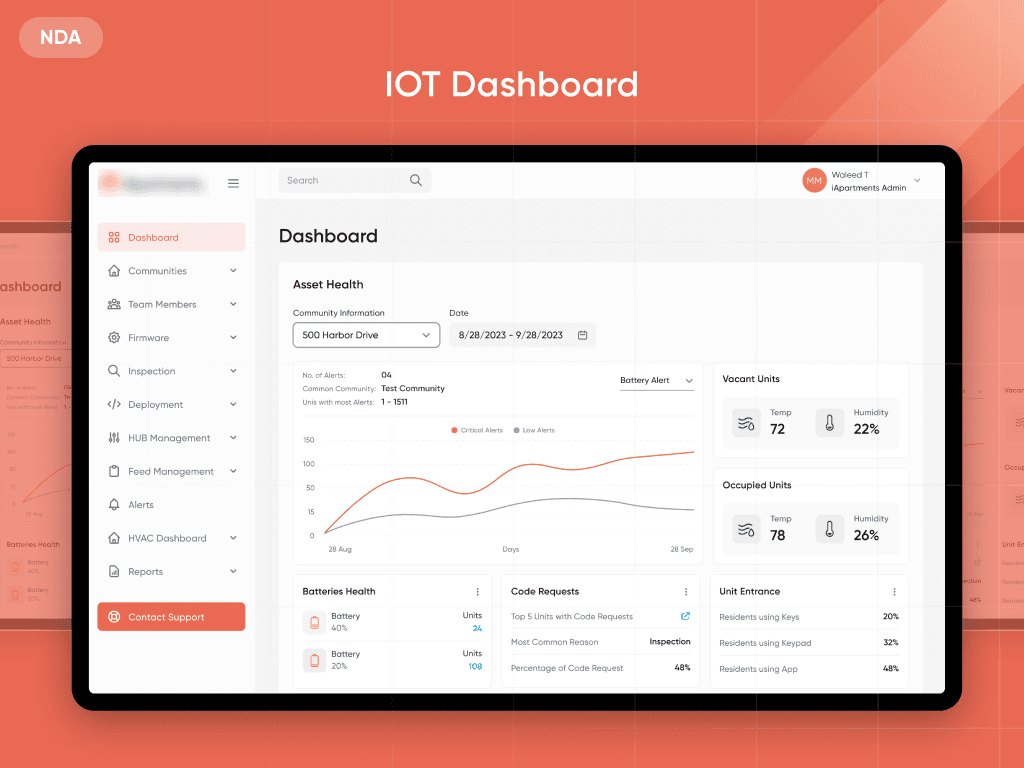
With a solid foundation of research, We moved into the design phase. I began by creating user personas based on the insights gathered during user interviews. These personas helped me empathize with the various user groups and guided my design decisions throughout the project. We developed user journey maps to visualize the different paths users might take while navigating the system. This mapping revealed critical touchpoints and areas for improvement, particularly in task management and information retrieval. Next, We created low-fidelity wireframes to outline the new layout and structure of the PALMS system. These wireframes were shared with users for initial feedback, allowing for early iterations on the design. Incorporating user feedback, I refined the wireframes and progressed to high-fidelity mockups that included a modern, user-friendly interface.

Prototyping and User Testing
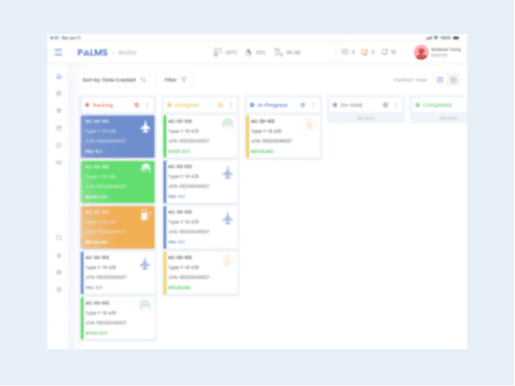
Once the high-fidelity designs were complete, I developed an interactive prototype using design tools. This prototype allowed users to experience the new design in a simulated environment. I conducted usability testing sessions where participants navigated the prototype while I observed their interactions and gathered feedback.
Testing revealed valuable insights, including the need for clearer call-to-action buttons and a more intuitive task assignment process. Based on this feedback, I made further refinements to enhance usability and ensure that the design effectively met user needs.
After finalizing the design, I prepared a comprehensive presentation for stakeholders. The presentation included an overview of the research findings, the design rationale, and a demonstration of the interactive prototype. I highlighted how the new design addressed the identified pain points and aligned with the operational goals of the Pakistan Air Force.
The stakeholders expressed excitement about the proposed changes, and we outlined a roadmap for implementation that included training sessions for users to familiarize them with the new features.
The revamped PALMS system significantly improved operational efficiency and reduced error rates within the Pakistan Air Force logistics team. By employing a user-centered design approach, engaging with stakeholders, and applying best practices in UX design, the new system is well-equipped to meet the complex needs of logistics management in the Air Force.
This project reinforced the importance of thorough research and user involvement in the design process. Engaging users early and iterating based on feedback led to a solution that truly meets their needs and expectations. As the demands of modern logistics evolve, a focus on user experience will remain critical to the success of systems like PALMS.